Save 20% on all courses!

Harnessing AI Tools to Create Digital Products: A Comprehensive Guide
3/4/20268 min read
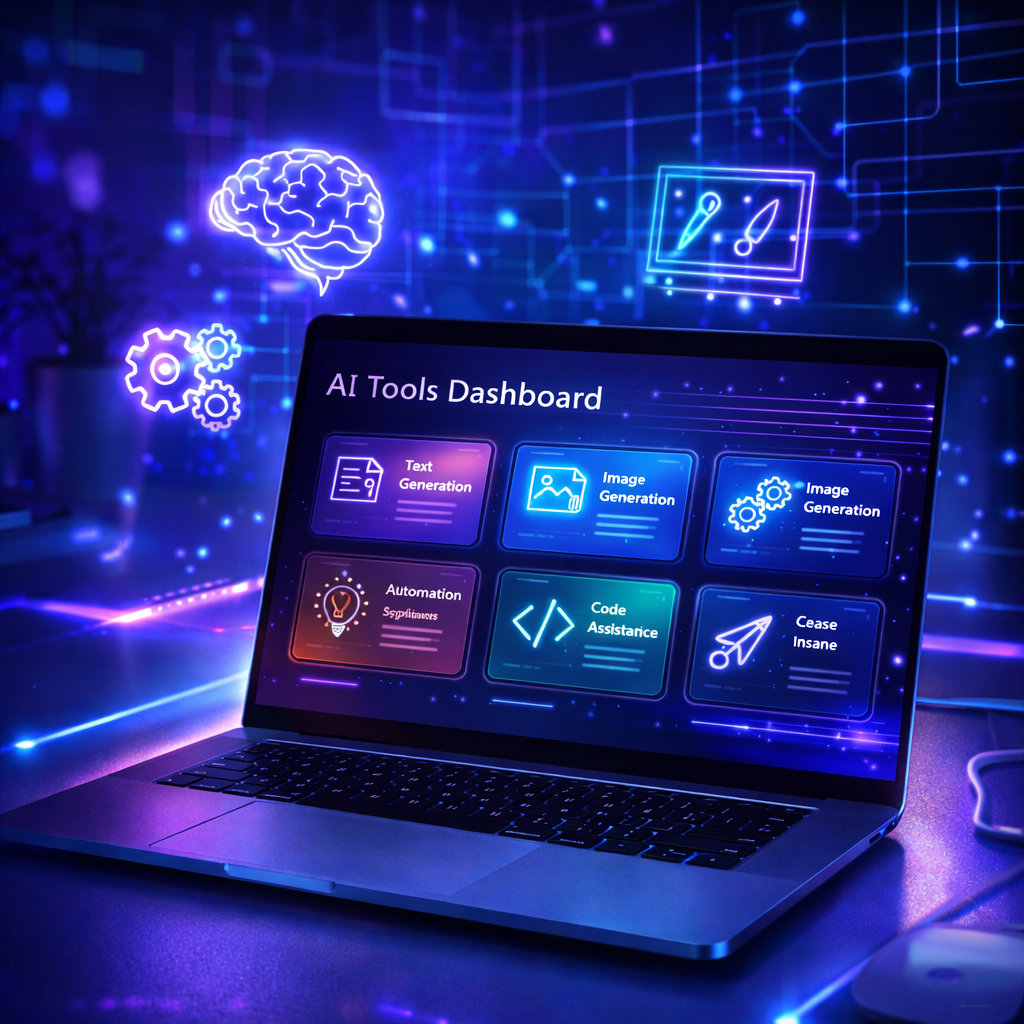
Introduction: The Rise of AI in Digital Product Creation
In recent years, the landscape of digital product creation has undergone significant transformation, driven largely by advancements in artificial intelligence (AI) technology. Digital products, which include software, e-books, online courses, and applications, have become integral to the modern economy. As the demand for these products continues to grow, so does the need for creators to embrace innovative tools that can enhance productivity and foster creativity.
The implementation of AI in digital product development marks a crucial shift, allowing creators to leverage sophisticated algorithms and machine learning capabilities. These tools automate processes, analyze vast amounts of data, and draw insights that were previously unattainable. Consequently, the adoption of AI technology in the creative process not only optimizes workflows but also enables a more dynamic approach to product development. Creators can focus on idea generation and strategy instead of getting bogged down in repetitive tasks.
Current trends indicate a robust inclination towards AI-enhanced solutions in various sectors, including education, entertainment, and e-commerce. This shift is indicative of the broader shift towards automation and data-driven decision-making. Adapting to these modern tools is not merely beneficial but essential for those seeking to thrive in a competitive market. As the capabilities of AI tools evolve, so too does the opportunity for creators to enhance their offerings, ensuring that they remain relevant in an ever-changing digital landscape.
Harness AI power today — explore our resources.
In summary, the rise of AI in digital product creation symbolizes a new era of innovation, presenting both challenges and opportunities for creators. As we delve deeper into the various AI tools available, it becomes evident that embracing these technologies is critical for maximizing potential in the creation process. The future of digital product development is bright, particularly for those willing to harness the power of AI.
How AI Accelerates the Creation of Digital Products
In the fast-paced world of digital product development, Artificial Intelligence (AI) has emerged as a pivotal force in accelerating the creation process. The integration of AI tools facilitates a more efficient workflow, significantly reducing the time and effort involved in various stages of development.
One of the fundamental benefits of AI in this context is its capability to automate design processes. Tools powered by AI can generate design elements, layouts, and even complete user interfaces based on time-tested templates or user preferences. This capability enables designers to focus on higher-level creative tasks rather than mundane repetitive activities. For example, platforms like Adobe Sensei leverage AI to enhance design workflows by predicting design trends and suggesting optimal layouts, which streamlines the creation process considerably.
Additionally, AI plays a vital role in content generation, producing text, images, and multimedia effortlessly. Content creators can utilize AI-driven software such as Copy.ai or Jasper to generate marketing copy, blogs, and social media posts in a fraction of the time it would take to do manually. This not only accelerates content production but also provides a solid foundation for optimizing search engine visibility, ensuring that digital products reach their intended audience more effectively.
Furthermore, AI enhances user experiences through robust analytics capabilities. By utilizing AI analytics tools, creators can gather deep insights into user behavior, preferences, and feedback. This information empowers them to make data-driven decisions, refining their digital products to better serve their target audience. Practical applications, such as A/B testing facilitated by AI systems, allow developers to rapidly evaluate different version outcomes and implement changes that improve user engagement.
The transformative power of AI is evidenced in numerous success stories, where creators have harnessed these tools to significant effect. For instance, a small startup used AI-enabled design automation to reduce their product launch time by 50%, while a content agency improved their output quality and quantity dramatically through AI-assisted writing tools. These examples highlight that integrating AI into workflows does not merely save time; it also enhances accuracy and unleashes new levels of creativity.
Top AI Tools for Different Types of Digital Products
In the rapidly evolving landscape of digital products, various AI tools have emerged to support creators in their projects. Below is a compilation of several top AI tools categorized by the type of digital product they assist in creating.
Graphic Design:
Canva is a user-friendly design tool powered by AI. It provides a wide variety of templates and design elements, making it easier for artists and marketers to create visually appealing graphics. With its Magic Resize feature, users can quickly adapt their designs for different platforms, optimizing their workflow significantly. Visit Canva for more information.
Writing:
Jasper AI, previously known as Jarvis, is a writing assistant that utilizes advanced natural language processing. It is designed to help writers produce high-quality content efficiently, generating ideas, blog posts, marketing copy, and more. Its ability to suggest phrases and optimize for SEO helps improve the visibility of the written material. Explore more at Jasper AI.
Music Production:
Amper Music is an innovative platform that enables users to create unique music tracks using AI. It allows musicians and content creators to select specific moods, genres, and instruments, producing customized background music for their projects. The ease of use makes it an excellent choice for those without extensive music production experience. Learn more about Amper at Amper Music.
Software Development:
GitHub Copilot is revolutionizing software development with its AI-driven code suggestions. Integrated within popular code editors, it assists developers by autocompleting code snippets and offering recommendations, thus streamlining the coding process. This tool is especially beneficial for new coders looking to enhance their programming skills. More details can be found at GitHub Copilot.
These AI tools are just a few examples of how technology is facilitating the creation of digital products across various fields. By leveraging such resources, creators can enhance their productivity and focus on the creative aspects of their work.
Case Studies: Real-World Examples of AI in Digital Product Creation
In recent years, numerous businesses and individual creators have embraced artificial intelligence (AI) tools to streamline and innovate their digital product creation processes. This section presents several compelling case studies from diverse fields, including e-learning, online art, e-commerce, and software development, showcasing the tangible benefits of AI integration.
One notable example is an e-learning platform that faced challenges in content generation. By employing AI-driven content creation tools, the platform was able to enhance its course offerings significantly. The AI tool not only generated engaging educational material but also personalized learning paths for students. The result was a substantial increase in user satisfaction and engagement rates, illustrating how AI can transform educational experiences.
Another case study comes from the world of online art. An independent artist utilized AI software to create unique digital artworks. The artist faced limitations in their creative process and sought to overcome these hurdles. By leveraging generative art algorithms, they produced a series of visually stunning pieces that resonated well with audiences. The integration of AI not only expanded the artist's portfolio but also fostered a new sense of creativity, demonstrating the synergy between human intuition and AI capabilities.
In the e-commerce sector, a small business confronted challenges in inventory management and customer engagement. By implementing AI tools for predictive analytics and chatbots, the business optimized its supply chain and improved customer service. These advanced technologies allowed for proactive decision-making, leading to increased sales and enhanced customer satisfaction. The success of this initiative highlights the significant role AI can play in improving operational efficiency in e-commerce.
In software development, a tech startup faced the challenge of coding efficiency. By utilizing AI-powered coding assistants, the team was able to reduce development time drastically while improving the overall quality of the software. This not only expedited their time to market but also allowed for an iterative approach to product improvement based on real-time feedback, embodying an agile development methodology.
These case studies underscore the versatility and effectiveness of AI tools across different domains of digital product creation. By addressing specific challenges and leveraging AI's strengths, these businesses and creators have achieved remarkable outcomes, providing valuable lessons on the integration of artificial intelligence in modern digital ecosystems.
Beginner Tips for Using AI Tools in Your Creative Process
Integrating AI tools into your creative workflow can significantly enhance your productivity and innovation in digital product development. For beginners, the first step is to choose the right AI tools that align with your project requirements. Start by evaluating various options available in the market, such as content generation software, design applications, or data analysis tools, and select one that best meets your objectives.
Understanding the limitations of AI technology is equally crucial. AI tools are designed to assist and enhance human creativity, not replace it. They can generate ideas, automate simple tasks, and analyze user data, but they may lack the emotional intelligence and nuanced understanding that human creators possess. Recognizing these limitations will allow you to make more informed decisions regarding your creative process.
When you first start using AI tools, focus on simple features that can help streamline your workflow. For instance, you might begin by employing AI for basic tasks like brainstorming ideas or organizing your project framework. This initial step will allow you to familiarize yourself with the tool without feeling overwhelmed. As you gain confidence and experience, gradually explore the advanced functionalities offered by these applications to maximize their potential.
Common pitfalls to avoid include being overly reliant on AI outputs and neglecting the human touch in your projects. While automation can save time, ensure that your work maintains a personal essence and aligns with your brand voice. Implementing best practices, like regularly seeking feedback from peers or users, can also help refine your approach as you integrate AI into your creative workflow. By following these foundational tips, beginners can efficiently harness the capabilities of AI tools in their digital product development.
Overcoming Common Challenges When Using AI Tools
The integration of AI tools into digital product development workflows can present a variety of challenges. One significant obstacle is the potential for over-reliance on these systems. As users become accustomed to AI-driven outputs, there may be a tendency to undervalue personal creative input. This can lead to homogenized product designs that lack innovation and uniqueness. To mitigate this risk, users should adopt a balanced approach, viewing AI as a complementary resource rather than a sole creator. Encouraging regular brainstorming sessions and team discussions can help maintain a human-centered perspective on creativity.
Another prevalent issue is the technical difficulties that may arise during the implementation of AI tools. Users often encounter limitations related to software integration, compatibility issues, or an inadequacy of AI models for specific tasks. To address these potential hurdles, investing time in thorough training is crucial. Users should familiarize themselves with the capabilities and constraints of the chosen AI tools. Additionally, seeking support from technical teams or utilizing community forums can provide valuable insights and troubleshooting assistance.
Managing expectations about AI capabilities is also paramount. While AI tools can automate certain processes and enhance creativity, they are not infallible. Users should recognize that limitations exist, and outcomes may deviate from initial expectations, especially in the early stages of usage. Setting realistic goals and regularly assessing the outcomes of AI-generated content are effective strategies to ensure that users maintain a grounded perspective. By cultivating an understanding of both the potentials and limitations of AI, users can effectively navigate these challenges, ultimately enhancing their digital product creation process while remaining engaged and creative.
Conclusion: The Future of Digital Products with AI
The integration of artificial intelligence (AI) in the creation of digital products is revolutionizing the creative landscape. As we have explored throughout this guide, AI tools are not just enhancing existing processes; they are creating new opportunities for innovation and efficiency. The continuous evolution of these technologies invites us to rethink how we approach product development, design, and user engagement.
AI's ability to analyze vast amounts of data allows creators to gain unprecedented insights into consumer behavior and preferences. This insight translates into products tailored to specific market demands, thereby increasing the potential for success. Moreover, AI can assist in automating mundane tasks, freeing up valuable time for creators to focus on the more imaginative aspects of their work. This symbiotic relationship between humans and machines fosters a more dynamic creative process.
As we look to the future, it is clear that AI will play a pivotal role in shaping digital products across various industries. Creators and businesses must remain adaptable and open-minded, embracing these advancements as tools to augment their capabilities, rather than viewing them merely as competition. Staying informed about emerging AI technologies and their applications will empower creators in their endeavors and pave the way for more innovative and effective products.
In summary, the future of digital products will undoubtedly be intertwined with advancements in AI. By leveraging these tools, creators can enhance their efficiency, improve their understanding of user needs, and ultimately drive greater value in their offerings. As we stand on the cusp of this new era, it is essential to approach AI with curiosity and a willingness to learn, ensuring that we collectively navigate the opportunities it presents.
Digital Outreach Mastery
Contact
info@diigitaloutreachmastery.com
© 2026. Digital Outreach Mastery - All rights reserved.