Save 20% on all courses!

Generic AI Prompts vs. Strategic Prompts in AI-Powered Content Marketing: Why Structure Matters for SEO
3/18/20267 min read

Understanding AI Prompts: The Basics
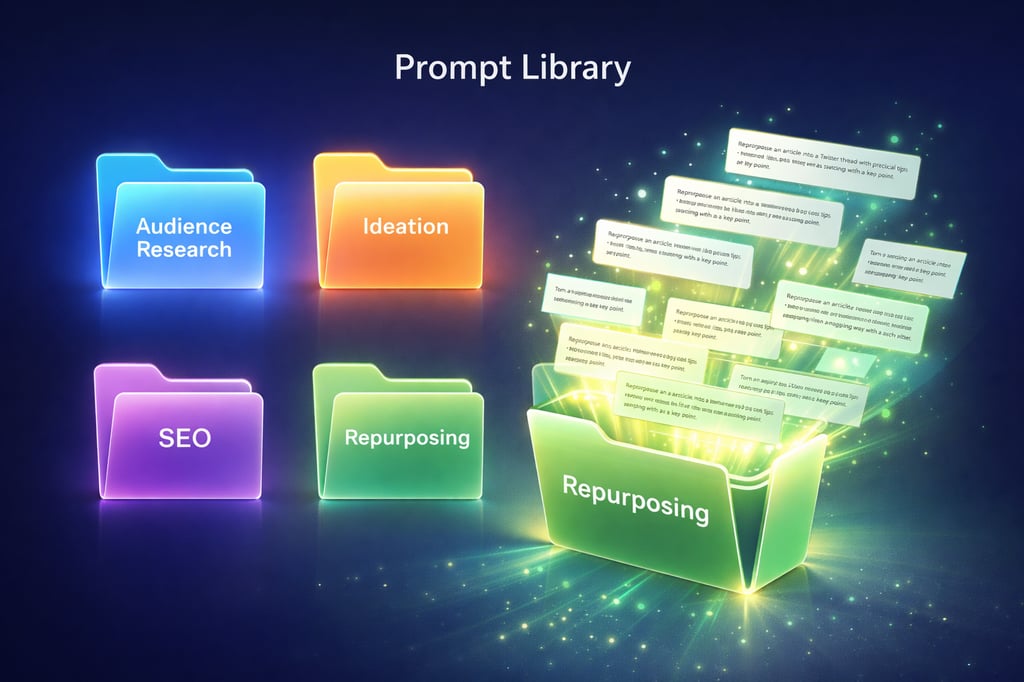
AI prompts serve as the building blocks for content generation systems powered by artificial intelligence. They are essentially inputs or cues provided to AI algorithms, guiding their response and output. The significance of prompts is particularly pronounced in the realm of content marketing, where the precision of messaging can determine the effectiveness of campaigns. A well-structured AI prompt can lead to relevant, high-quality content that aligns closely with the target audience's needs.
Prompts can be broadly classified into two categories: generic prompts and strategic prompts. Generic prompts are typically vague and lack specificity. For instance, asking an AI to generate a blog post about "marketing" could yield a wide range of responses, many of which might not be relevant to the intended topic. This lack of direction may result in content that fails to meet the marketer's specific goals. Consequently, generic prompts often lead to generic content that lacks depth and engagement.
In contrast, strategic prompts are meticulously crafted to align with particular marketing objectives. For example, a prompt that specifies the need for a blog post on "best SEO practices for e-commerce websites" is likely to produce highly relevant content focused on actionable insights tailored for online retailers. This distinction illustrates how the type of prompt used significantly influences the output quality, demonstrating that the structure indeed matters. By choosing strategic prompts, marketers can harness the full potential of AI content generation to drive meaningful engagement, improve search engine optimization (SEO), and ultimately achieve their marketing goals more effectively.
The Role of Structure in Content Marketing
In the realm of content marketing, the structure of the material plays a crucial role in achieving targeted results. A strategic prompt generates a well-structured framework, essential for producing content that resonates with both human readers and search engine algorithms. This careful organization enables marketers to convey their messages effectively while adhering to SEO best practices.
Structured content typically includes defined elements such as headings, subheadings, and paragraphs that are easy to navigate. By utilizing appropriate headings, content creators can guide readers through their material, ensuring that the most important points stand out. Furthermore, employing effective keyword placement will enhance the likelihood of content being discovered in search engines, thereby increasing visibility and engagement.
Start your digital product journey now.
Effective content flow is another critical aspect of structure. Each section of content should seamlessly transition into the next, maintaining the reader's interest and facilitating comprehension. This logical sequencing allows for the orderly presentation of ideas and information, which is particularly valuable in an age where audiences are inundated with content and have limited attention spans.
Moreover, a well-structured article enables the implementation of semantic SEO techniques, such as the use of synonyms and related terms. These practices not only enrich the content but also improve its chances of ranking higher in search engine results pages. Distinct sections contribute to a user-friendly experience, which can reduce bounce rates and encourage longer reading times—both of which are favorable to SEO.
In summation, the role of structure in content marketing cannot be overstated. A strategic approach to prompt design leads to a cohesive and engaging content presentation, ultimately enhancing readability and discoverability.
Before-and-After: Generic vs. Strategic Prompts
Content creation in AI-powered marketing greatly benefits from the difference between generic and strategic prompts. To illustrate this, we can examine two specific scenarios that represent typical outcomes of each prompt type.
In a generic prompt scenario, let’s consider an AI-generated article based on the instruction: "Write about social media marketing." This broad prompt often results in a surface-level overview, failing to delve into the intricacies of the topic or to cater to a specific audience. Such an article might include common tips that many readers already know, such as the importance of posting frequency, which typically fails to engage or add value. The lack of specific structure and direction in the prompt can lead to low engagement metrics and insufficient SEO performance, evidenced by a poor keyword ranking and minimal reader interaction.
Now, let’s look at the same topic approached with a strategic prompt: "Discuss innovative strategies for increasing engagement on Instagram reels for small businesses targeting millennials." This meticulously crafted request provides the AI system with clearer objectives and audience insights. The resulting content is likely to be a comprehensive guide, addressing the nuances of targeting millennials specifically, while incorporating trends and actionable strategies tailored to small businesses. This targeted approach enhances not only the depth and relevance of the content but also significantly improves its SEO potential. The engagement metrics are expected to soar, reflected in a higher search ranking and increased social shares.
These two scenarios underscore the importance of prompt structure. Generic prompts lead to generic content, which does little more than replicate existing information. Conversely, strategic prompts yield tailored insights that resonate with the intended audience. Consequently, this translates into better engagement and superior SEO performance, highlighting how effective prompting can transform content marketing outcomes.
SEO Implications of Using Strategic Prompts
In the evolving landscape of content marketing, the natural integration of strategic prompts presents numerous advantages over generic prompts, particularly concerning search engine optimization (SEO). Strategic prompts are designed to elicit content that is not only relevant but also structured to meet various SEO metrics effectively. By focusing on targeted keywords and structured content organization, marketers can significantly enhance their site's visibility and performance on search engine results pages (SERPs).
One of the key benefits of utilizing strategic prompts is their potential to increase organic traffic. According to a case study conducted by Searchmetrics, content that is thoughtfully organized and optimized for specific keywords sees an increase in organic traffic by an average of 40% compared to content generated from generic prompts. This is attributable to strategic prompts encouraging the creation of content that answers user queries more effectively, thereby improving the likelihood of appearing in featured snippets or relevant searches.
Additionally, the bounce rate of a website can diminish with strategically planned content. Effective prompts result in comprehensive and engaging articles that align closely with user intent. A study from HubSpot illustrates that pages with structured content experience up to a 25% lower bounce rate than those produced via generic prompts. Furthermore, higher engagement can be traced back to the time users spend on a page. Structured content often leads to improved readability and user experience, resulting in longer session durations, which are favorably regarded by search engine algorithms.
In summary, the ramifications of employing strategic prompts in AI-powered content marketing cannot be understated. Stronger SEO metrics such as organic traffic, lower bounce rates, and greater time spent on page clearly highlight the importance of structure within content. As businesses increasingly leverage AI for content creation, the significance of strategic prompts becomes increasingly evident, setting a benchmark for effective and optimized marketing practices.
Best Practices for Crafting Strategic AI Prompts
Creating effective strategic prompts for AI content generation requires a thoughtful approach to ensure high-quality output that is relevant to your target audience. One of the best practices is to begin by thoroughly identifying target keywords that reflect the themes and concepts you wish to cover. These keywords should be researched based on their search volume, relevance, and competition to guide the AI in generating content that resonates with user intent.
Maintaining context is crucial when designing prompts. This means providing the AI with sufficient background information so that it understands the subject matter and the desired tone of the content. Context helps in generating responses that not only align with the chosen keywords but also match the expectations of the readers, resulting in more engaging and useful articles.
To ensure that your prompts encourage detailed and actionable content, it is beneficial to phrase them in a way that invites exploration. Instead of simply asking the AI to provide a list or a summary, encourage it to delve deeper into the subject. For instance, instead of stating, "Write about social media marketing," a more strategic prompt could be, "Discuss the latest trends in social media marketing and their impact on audience engagement, highlighting specific platforms and strategies."
Utilizing open-ended questions can further enhance the depth of the generated responses. Additionally, including specific parameters such as length, type of audience, and call-to-action can help the AI produce content that meets your specific needs. This structured approach to prompt creation not only improves the relevance of the content but also optimizes it for better performance in SEO.
Case Studies: Brands Leveraging Strategic Prompts
Many brands have recognized the importance of implementing strategic prompts in their AI-powered content marketing initiatives. By leveraging data-driven insights and structured prompts, these brands have optimized their content creation processes and enhanced audience engagement. One prime example is Company A, a global leader in the e-commerce sector, which shifted from generic prompts to structured, goal-oriented questions to drive more targeted content. This strategic approach allowed them to better align their blog posts with customer intentions, resulting in a 30% increase in organic traffic within just three months.
Similarly, Brand B, a leading player in the technology industry, experimented with strategic AI prompts to create tailored content for different buyer personas. They developed a framework that included specific promotional angles based on customer demographics and behaviors, which not only improved the relevance of their content but also enhanced overall conversion rates. This method led to a 25% increase in lead generation compared to their previous unstructured approach.
In the lifestyle sector, Brand C adopted strategic prompts to curate content that resonates with seasonal trends and customer interests. By using analytics tools to identify trending topics and incorporating these insights into their prompts, they cultivated a content calendar that was responsive and dynamic. This resulted in not only higher engagement rates on their articles but also a measurable boost in social media shares, reinforcing their brand presence online.
Despite these successes, challenges remain in implementing structured prompts. For instance, Company D faced difficulties in maintaining a consistent tone across varied prompt outputs. However, by integrating a robust review process, they ensured that all content remained aligned with their brand voice. This adaptability highlights how strategic prompts can be optimized to suit diverse marketing needs.
Conclusion: Elevating Content Marketing with Strategic Prompts
In the rapidly evolving landscape of content marketing, the distinction between generic AI prompts and strategic prompts is becoming increasingly significant. The findings of this discussion highlight that while generic prompts may initiate content creation, they often lack the precision required to effectively engage target audiences and meet specific marketing objectives. Strategic prompts, on the other hand, incorporate a well-defined structure, which not only enhances the quality of content but also aligns closely with search engine optimization (SEO) best practices.
Utilizing strategic prompts allows marketers to create content that is more relevant and tailored to their audience's needs. These prompts encourage a detailed focus on user intent, facilitating the generation of valuable insights and narratives that resonate with readers. Consequently, deploying such structured prompts in AI-powered content marketing can lead to higher engagement rates, improved search visibility, and ultimately, better conversion rates.
As AI content generators continue to evolve, marketing professionals must reconsider their approach to prompts. Emphasizing a strategic methodology rather than relying on generic forms can significantly impact the overall effectiveness of their marketing strategies. The synergy between structured prompts and effective content not only fosters stronger connections with target demographics but also ensures consistency in brand messaging.
By implementing strategic prompts into their content marketing efforts, marketers can enhance the visibility and relevance of their online presence. The importance of a well-structured approach cannot be overstated, as it serves as the foundation for building a successful content strategy that resonates with audiences and fulfills business objectives.
Digital Outreach Mastery
Contact
info@diigitaloutreachmastery.com
© 2026. Digital Outreach Mastery - All rights reserved.