Save 20% on all courses!

How to Turn Your Skills into Digital Products That Sell (Beginner Guide)
4/24/20267 min read

Introduction
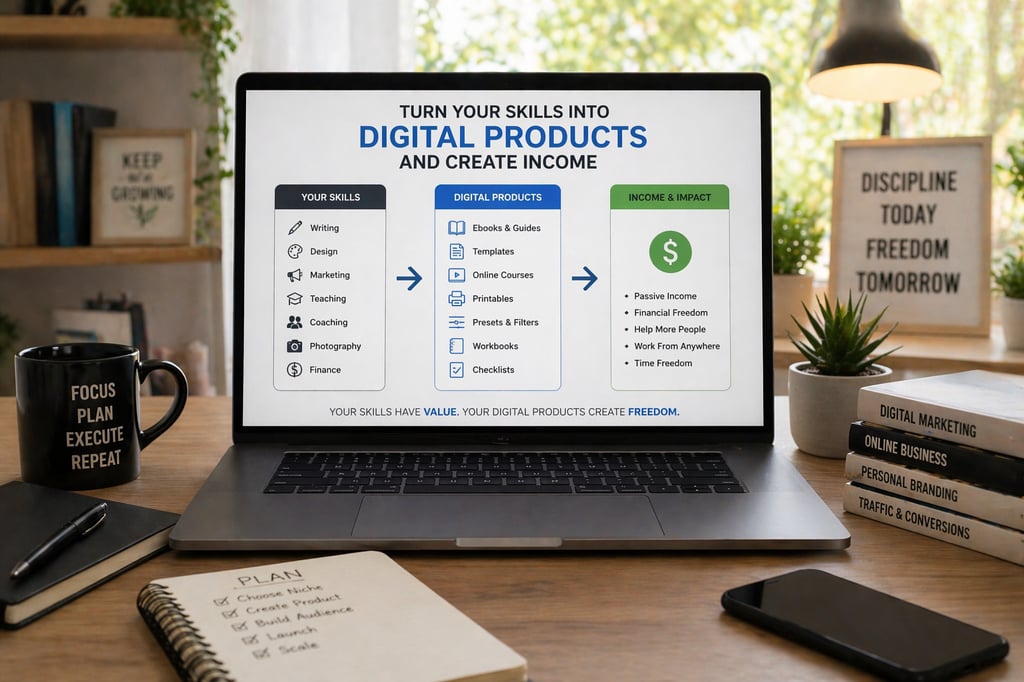
In today's digital age, the opportunity to monetize one's skills has become increasingly accessible to a wide audience. Individuals possess a variety of skills honed through personal experiences, professional training, or hobbies, which can be transformed into digital products. These products can range from e-books, online courses, and software applications, to stock photography and printable spreadsheets, catering to various needs and niches in the market. Essentially, digital products are intangible items that can be sold online, enabling creators to reach a global audience while maintaining flexibility and scalability.
Creating digital products from existing skills is not only a means of generating additional income but also offers a platform for sharing knowledge and expertise with others. Many beginners might feel intimidated at the prospect of launching their digital product but with the right guidance and a clear understanding of their own skills, the process can be both rewarding and fulfilling. The first step lies in recognizing that almost any expertise, whether it relates to cooking, graphic design, coding, or even managing personal finance, has the potential to be developed into a sellable product.
In this blog post, readers can expect to uncover various strategies and practical tips to effectively convert their skills into lucrative digital products. We will provide a detailed roadmap on identifying suitable skills for monetization, showcasing the tools and resources necessary for product development, and utilizing various online platforms to reach potential customers. By the end of this guide, beginners will not only gain the confidence to embark on their entrepreneurial journey but will also grasp the fundamentals of building a sustainable online business around their skill set.
Identifying Your Skills
Identifying your personal and professional skills is the critical first step in transforming them into successful digital products. Understanding what you are good at, as well as what you enjoy, sets a strong foundation for product development. Begin with self-reflection to delve into your experiences, knowledge, and capabilities. Consider both hard skills, such as technical expertise, programming, or graphic design, and soft skills, like communication, problem-solving, or leadership.
Brainstorming can be an effective approach to unearthing your skills. Create a mind map that lists all your current strengths in a central node. Branch out with various categories such as academic knowledge, professional expertise, and personal interests. This graphical representation can help clarify which skills have the most potential for commercialization. For instance, if you have excellent writing skills, consider developing e-books or online courses. If you are skilled in a certain area, you may want to offer coaching or consulting services.
Once you have a comprehensive list, it is important to evaluate the market demand for those skills. Conduct thorough research by utilizing online tools and platforms. Websites like Google Trends and social media surveys can provide insight into what consumers are searching for or expressing interest in, revealing potential gaps in the market. Additionally, analyzing existing digital products can help assess what is currently successful and identify opportunities for new offerings.
Engaging with communities on platforms like Reddit or LinkedIn can also prove beneficial for gauging interest in your skills. By participating in conversations, you can better understand what skills resonate with others and what digital products might fulfill existing needs. Ultimately, this structured approach will enhance your ability to streamline your skills into viable digital products that appeal to a wider audience.
Types of Digital Products You Can Create
There are numerous types of digital products that individuals can create by leveraging their unique skills. These products vary widely, catering to different audiences and meeting diverse needs. Below are some popular digital product categories.
E-books are a well-known medium that allow authors to condense their expertise and insights into a structured format. They can serve as comprehensive guides or quick-reference materials, appealing to readers seeking knowledge on specific topics. By creating an e-book, one can easily share their skills while generating potential revenue through sales or lead generation.
Online courses are another effective way to share knowledge and skills. They offer a structured learning experience, often enhanced with video lectures, quizzes, and discussion forums. Online courses are suitable for audiences looking to acquire new skills or deepen their understanding of a subject. Given the rise of e-learning, this product type has seen immense popularity, allowing creators to build a community around their expertise while monetizing their knowledge.
Webinars represent a live interaction format where experts can present their skills in real-time. These events foster engagement and create an opportunity for direct feedback and interaction with attendees. Webinars can be utilized for promotional purposes, providing value while encouraging participants to purchase related products or services at the end.
Graphic designs often serve businesses and individuals seeking visually appealing content. By creating templates, logos, or marketing materials, graphic designers can market their creative skills to various clients, ranging from startups to established brands. Digital graphic products can be sold directly online or through platforms that specialize in design assets.
Finally, software applications provide solutions to specific problems and can encapsulate advanced skills in programming or development. Creating software applications enables developers to build tools that cater to specific audiences, potentially leading to high returns on investment.
By exploring these digital product types, individuals can effectively align their skills with market needs, thus increasing the likelihood of success in their entrepreneurial endeavor.
Market Research and Validation
Conducting market research is a crucial first step in turning your skills into successful digital products. This research allows you to validate your digital product idea by gauging interest, understanding competition, and identifying your target audience. Without thorough market research, you may invest time and resources into a product that lacks demand or faces overwhelming competition.
To begin, start by defining your target audience. Who would benefit most from your skills? Consider factors such as age, demographics, interests, and pain points. Creating a customer persona can help you visualize who you are developing your product for and make specific marketing decisions.
Next, assess the competition within your chosen niche. Use tools like Google Trends or SEMrush to analyze existing products and measure their popularity. Pay attention to customer reviews on competitor websites or platforms such as Amazon or Etsy to identify gaps in the market. These gaps can reveal areas where your digital product can offer enhanced value or innovative features to differentiate it from available options.
Another vital aspect of market validation involves gathering feedback on your idea. Engage with potential customers through surveys, social media, or online forums. Platforms like SurveyMonkey or Typeform can help you design effective questionnaires that gather necessary insights. This feedback will be invaluable in shaping your digital product, ensuring it meets the actual needs and desires of your audience.
Finally, utilize platforms such as Facebook Groups or Reddit to foster conversations with target users. Observing discussions or participating in these communities can offer deeper insights into your audience's preferences and pain points. By leveraging these tools for market research, you can confidently ensure your digital product idea has potential and meets market demand.
Creating Your Digital Product
Creating a digital product involves several crucial steps, which can vary based on the type of product you wish to develop. Whether you're looking to create an eBook, an online course, or a mobile app, your approach will need careful consideration. First and foremost, identify the skills and knowledge you possess that are in demand. Conduct thorough market research to understand your target audience's needs and preferences.
Next, choose the right content creation method. For eBooks, you might start with an outline that organizes your thoughts and topics clearly. Writing tools like Microsoft Word or Google Docs can facilitate the writing process, and platforms like Canva can help design eye-catching covers. For online courses, video recording tools such as Camtasia or Screencast-O-Matic can be valuable for creating high-quality instructional videos. Additionally, integrating learning management systems (LMS) like Teachable or Thinkific can streamline course delivery and management.
It is essential to ensure the quality of your digital product. Invest time in editing your written content or refining your video scripts to avoid errors that could undermine your credibility. Engage beta testers or trusted individuals to review your product and provide constructive feedback. This initial feedback is invaluable for making necessary adjustments before the final launch.
Another aspect of producing a successful digital product is packaging it effectively. Create an attractive and informative sales page that outlines the benefits of your product, showcases testimonials if available, and highlights any unique features. High-quality visuals and clear calls to action are pivotal for converting interest into sales. Remember to optimize the sales environment based on analytics data to ensure continuous improvement and audience engagement.
Marketing and Selling Your Digital Product
Effectively marketing and selling your digital product is essential for achieving success in the competitive online market. The first step in this process is to clearly identify your target audience. Understanding who your potential customers are will enable you to tailor your marketing strategies accordingly. Once you have a clear audience profile, you can employ various channels to promote your product.
Social media platforms, such as Facebook, Instagram, and Twitter, are invaluable tools for reaching a broader audience. By creating engaging content that resonates with your audience, you can build a community around your digital product. Regular updates, behind-the-scenes content, and user-generated posts can foster a sense of connection between you and your followers.
Email marketing remains one of the most effective ways to drive sales. Building an email list allows you to maintain direct communication with your audience. Consider offering a free resource or discount in exchange for email sign-ups. Once you have a list established, you can send tailored emails featuring product launches, exclusive offers, or valuable content related to your digital products.
Online marketplaces, such as Etsy or Amazon, provide an excellent platform for selling digital products. These platforms have built-in audiences, which can save you time and effort in customer acquisition. Make sure to create compelling product descriptions that highlight the benefits and features of your digital products. Utilizing persuasive language and including keywords relevant to your product improves visibility in search results.
Additionally, search engine optimization (SEO) plays a crucial role in making your digital product more discoverable. By conducting keyword research and integrating relevant terms into your website and product descriptions, you enhance your chances of appearing in search results. Regularly updating your content and optimizing your website’s structure further boosts your SEO efforts.
By employing these diverse strategies—leveraging social media, email marketing, online marketplaces, and SEO—you can effectively market and sell your digital products, maximizing your potential for success.
Conclusion
Throughout this guide, we have established that transforming individual skills into digital products is not only achievable, but also an excellent way to generate income. By identifying your unique skill set, be it graphic design, writing, or coaching, you can harness that expertise to create products such as eBooks, online courses, or templates that cater to a specific audience. The importance of understanding your target market cannot be overstated; you must ensure that there is a demand for the solutions you wish to offer. This understanding will enable you to optimize your offerings, tailoring them to meet the needs of potential buyers.
Moreover, leveraging the right platforms for selling your digital products increases your chances of success. Websites like Etsy, Udemy, and personal websites are great places to start. These platforms provide you with the infrastructure necessary to reach a wider audience without the need for extensive technical knowledge. With an appealing marketing strategy, including social media promotion, you can attract the interest of prospective customers.
Digital Outreach Mastery
Contact
info@diigitaloutreachmastery.com
© 2026. Digital Outreach Mastery - All rights reserved.