Save 20% on all courses!

A Beginner's Guide to Selling Digital Products: An Entrepreneur's Blueprint
2/27/20268 min read

Understanding Digital Products
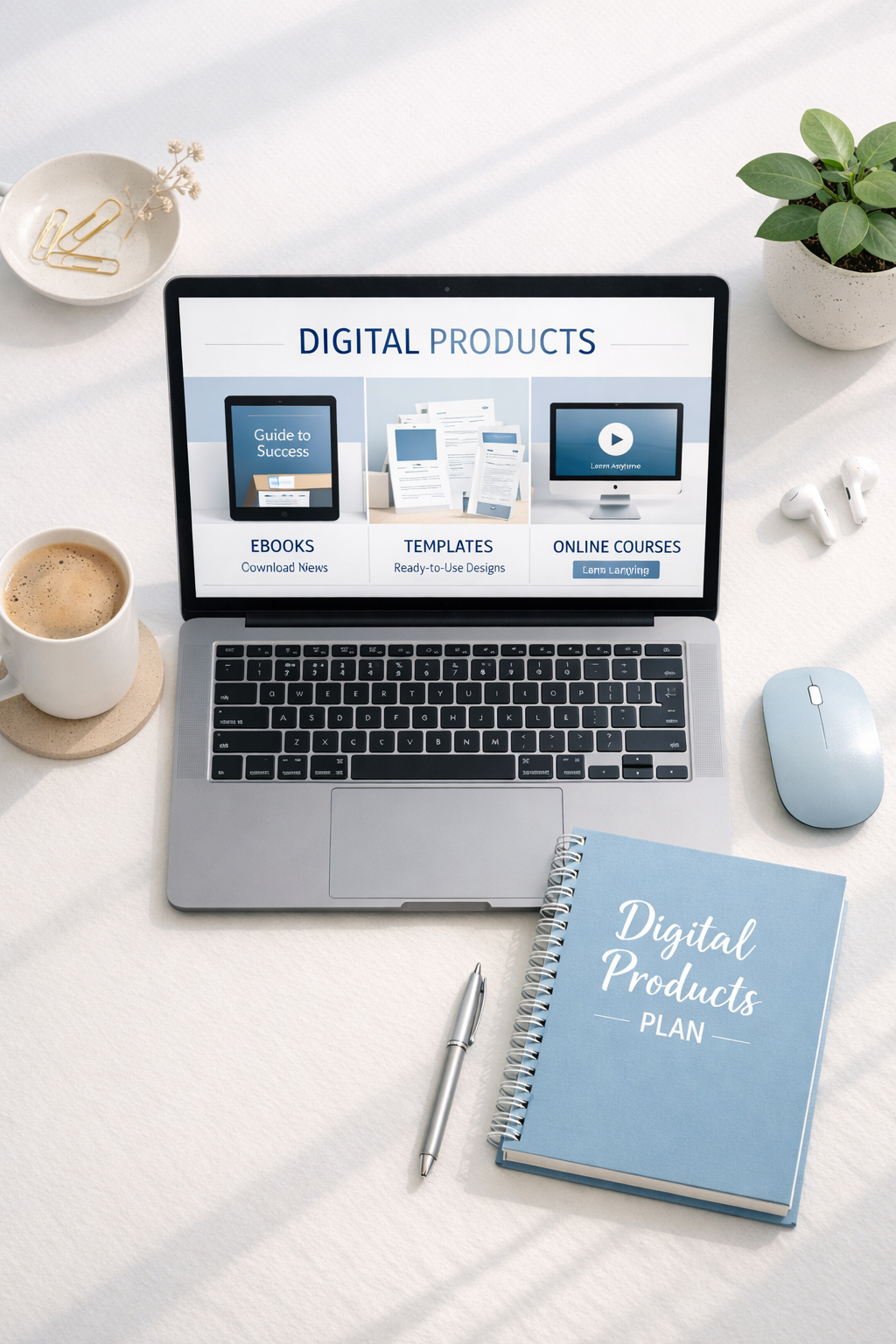
Digital products represent a category of goods that are delivered electronically rather than in a physical format. This broad definition encompasses a variety of items, including eBooks, online courses, software applications, music, and digital art. These products exist in a purely digital environment and are often created and distributed via the internet, allowing for an efficient distribution model.
One of the primary characteristics that distinguish digital products from traditional physical products is their intangible nature. Unlike a book or a CD that can be held and touched, digital products are files or software that can be accessed electronically. This inherent intangibility facilitates unmatched convenience, enabling users to obtain and utilize products instantly upon purchase. For example, when a consumer buys an eBook, they can download it immediately without waiting for shipping.
Furthermore, the scalability of digital products is remarkable. Once a digital product is created, such as an online course or a piece of software, it can be sold to countless customers simultaneously without any additional production costs. This aspect makes selling digital products an attractive option for entrepreneurs aiming to maximize their profit potential.
Start building your digital income stream today — browse our digital tools here.
The delivery methods for digital products further enhance their appeal. Many digital goods can be distributed via online platforms that automate the purchasing process, manage customer access, and handle payment transactions. Customers typically receive their digital products via email or through direct downloads from a website, ensuring a seamless and instantaneous experience. This accessibility not only contributes to customer satisfaction but also allows entrepreneurs to reach a global audience irrespective of geographic boundaries.
In conclusion, the understanding of digital products and their unique characteristics significantly informs potential entrepreneurs about the digital market landscape, emphasizing their accessibility, delivery mechanisms, and scalability attributes that set them apart from physical products.
Why Digital Products Are Profitable
In recent years, the digital products market has gained substantial traction, emerging as a lucrative business model for many entrepreneurs. One of the foremost reasons that digital products are profitable is the low production cost associated with them. Unlike physical products, digital goods such as eBooks, online courses, and software applications have minimal overhead costs. Once created, the additional expense of distributing these products is negligible, leading to higher profit margins.
Moreover, digital products offer exceptional scalability. Entrepreneurs can create a product once and sell it repeatedly without the need for additional manufacturing. According to a study by Statista, the global eLearning market is projected to reach $375 billion by 2026, exemplifying the immense potential this model holds. Successful digital product entrepreneurs like Pat Flynn and Amy Porterfield have demonstrated how scaling an online course or eBook can lead to substantial financial rewards.
Another compelling factor is the global reach of digital products. With the internet, entrepreneurs can market their offerings to a worldwide audience, breaking geographical barriers. This allows for a diverse customer base, contributing to increased sales opportunities. Platforms like Udemy and Skillshare have witnessed millions of enrollments from users in various countries, highlighting the demand for digital education products.
Furthermore, selling digital products can generate passive income. Once the initial work of creating the product is completed, entrepreneurs can earn revenue continuously through automated sales funnels and affiliate partnerships. This allows for a more flexible lifestyle, as income can still be generated while focusing on other projects. In conclusion, the combination of low production costs, scalability, global reach, and the potential for passive income make digital products a highly profitable venture for aspiring entrepreneurs.
Identifying Your Niche
Identifying a specific niche for your digital product is crucial for establishing a successful business. A niche not only defines the focus of your product but also helps you target a specific audience effectively. To begin, thorough research is essential. Understand what areas within the digital product market are saturated and where there might be gaps to exploit. Utilize online research tools, surveys, and forums to gather data about current trends and consumer preferences.
Once you have gathered the necessary information, the next step is audience targeting. Consider who your ideal customers are and what problems they need solving. Create profiles or personas for different segments of your potential audience to refine your product's relevance. Understanding your customers' desired outcomes will enhance your ability to tailor your offerings to meet their needs.
Don’t just learn it — launch it. See our beginner-friendly digital products.
Analyzing market demand is another fundamental aspect of niche identification. Use keyword research tools to assess how many people are searching for products similar to yours. This step aids in gauging the level of interest in a particular niche. High search volumes can be indicative of a lucrative market, while low competition can provide an opportunity to be a leader in that niche.
Furthermore, practical tips for finding profitable niches include exploring your own interests and expertise. Think about your hobbies and professional experience as they might lead to unique niche opportunities. Additionally, consider leveraging social media platforms and online communities to monitor ongoing discussions and identify emerging trends.
By intertwining your insights with data-driven findings, you can pinpoint a niche that has both demand and personal significance. This strategic approach will not only foster a more sustainable business model but will also enhance your overall satisfaction as an entrepreneur in the digital marketplace.
Types of Digital Products to Consider
In the evolving landscape of online commerce, several digital products present lucrative opportunities for beginners venturing into entrepreneurship. Here are some noteworthy types to consider:
eBooks: These are digital publications that can cover a wide array of topics. eBooks are relatively easy to create and can be sold on platforms such as Amazon Kindle or directly through personal websites. They allow writers and experts to share knowledge while generating passive income post-launch.
Online Courses: The education sector has significantly shifted towards online learning platforms. Beginners can create courses on platforms like Udemy or Teachable covering subjects where they have expertise. Online courses offer substantial profitability due to their scalable nature; once the content is developed, it can be sold repeatedly without additional costs.
Printables: These are downloadable products such as planners, stickers, or worksheets, often used for personal planning or organization. Printables require minimal upfront investment and can be sold on platforms like Etsy. The appeal lies in their customization and the potential for high-profit margins.
Stock Photos: For those with photography skills, selling stock photos can be an excellent option. Websites like Shutterstock and iStock allow photographers to upload images for users to purchase. High-quality images are always in demand, and this avenue can lead to a steady stream of income.
Software and Apps: While this may be more technical, developing simple software or applications can be remarkably profitable. With the rise of mobile usage, creating solutions for common problems can lead to significant financial returns if marketed effectively.
Each of these types of digital products carries potential benefits, including low overhead costs and global reach. By evaluating market trends and personal skills, beginners can make informed decisions when selecting which type to pursue.
Creating Your First Digital Product
Embarking on the journey of creating your first digital product can be an exciting venture. The process begins with brainstorming ideas that resonate with your skills and audience needs. Consider topics that not only interest you but also solve a problem or fulfill a desire for a specific niche. Tools like mind mapping software or simple brainstorming sessions with potential customers can provide valuable insights during this stage.
Once you have a list of ideas, it is crucial to select the most viable option based on market demand. Research platforms like Google Trends or social media channels to gauge interest in your chosen subject. After finalizing your idea, the next step involves planning the content. Create an outline that details the main points you wish to cover, as well as any supplementary materials that will enhance the user experience. This could range from PDFs and worksheets to videos and audio files.
Designing your digital product is where creativity comes into play. For instance, if you decide to create an eBook, ensure that the design aligns with your brand and appeals to your target audience. Tools such as Canva or Adobe InDesign can aid in crafting visually appealing layouts. If your product involves more complex content, consider enlisting the help of design professionals through platforms like Upwork or Fiverr.
Finally, the production phase brings everything together. Utilize software tailored to your product type, whether it's video editing tools like Camtasia or eLearning platforms such as Teachable or Udemy for courses. Throughout this process, gather feedback from peers or beta testers to refine your product before the launch. With careful planning, creative design, and effective production techniques, you can successfully create your first digital product and provide valuable solutions to your audience.
Setting Up Your Sales Platform
When venturing into the sale of digital products, selecting the right platform is crucial for success. Each option presents unique advantages and disadvantages. Personal websites, for instance, offer complete control over branding, layout, and customer experience. Moreover, a dedicated website can enhance credibility and allows for SEO optimization, which can drive organic traffic. However, building and maintaining a website entails upfront costs and technical know-how, which can be daunting for beginners.
Online marketplaces such as Etsy, Amazon, or Gumroad are popular alternatives, particularly for those new to selling digital products. These platforms provide built-in audiences, simplifying the sales process and increasing the chance of product discovery. On the downside, they typically charge listing fees and take a percentage of each sale. This can eat into profits over time, and sellers may find themselves competing against many similar offerings.
Social media channels, including Instagram and Facebook, have gained prominence for selling digital products. Leveraging these platforms allows entrepreneurs to directly engage with potential customers and utilize targeted advertising. The downside is that reliance on social media can be risky due to algorithm changes or policy updates that may affect reach and visibility. Furthermore, social media is not predominantly designed for transactions, so integrating payment gateways becomes essential.
Payment gateway setup is a critical aspect of any digital product sales platform. Services like PayPal, Stripe, or Square facilitate seamless transactions while ensuring security. To optimize your sales process, make the checkout experience simple and intuitive. This will minimize cart abandonment rates, leading to increased sales. Lastly, when delivering digital products, ensure that customers receive their purchased content promptly, as this will enhance customer satisfaction and encourage repeat business.
Marketing Your Digital Products
Marketing digital products effectively is crucial for driving sales and establishing a presence in your chosen niche. Among various strategies, social media marketing is particularly powerful due to its vast reach and ability to engage directly with potential customers. Platforms like Instagram, Twitter, and LinkedIn can help you share content, showcase your products, and connect with your audience. To maximize the impact of your social media efforts, it is essential to have a well-defined strategy that aligns with your brand's goals. Consistent posting, interactive content, and utilizing multimedia can enhance engagement and visibility.
Email marketing is another effective tool to promote and sell digital products. By building a mailing list, you can communicate directly with interested individuals. Offering incentives such as free content or exclusive discounts can encourage sign-ups. Regular newsletters can keep your audience informed about new products or updates, fostering a relationship that drives sales over time. The key is to provide valuable content alongside promotions to maintain interest and nurture leads.
Furthermore, content marketing plays a significant role in promoting digital products. Creating informative blog posts, videos, or podcasts that relate to your product can attract traffic to your website. High-quality content that addresses your audience's pain points not only establishes your authority in the field but also drives traffic to your sales pages. Incorporating effective calls-to-action within your content leads potential customers toward purchasing decisions.
Ultimately, building an audience around your brand is the foundation for successful digital product sales. By creating value and engaging with your audience, you can establish trust and encourage purchasing behavior. Begin by executing a balanced marketing plan that combines social media, email, and content marketing strategies. Take the first steps towards marketing your digital products today, and watch your entrepreneurial efforts flourish.
Start building your digital income stream today — browse our digital tools here.
Digital Outreach Mastery
Contact
info@diigitaloutreachmastery.com
© 2026. Digital Outreach Mastery - All rights reserved.